

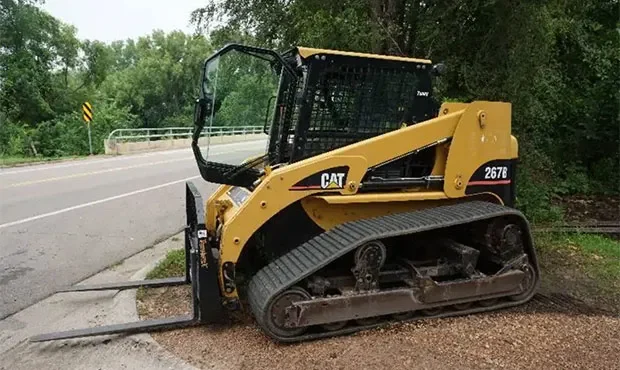
The CAT 267B loader, a versatile multi-terrain machine from Caterpillar, powers construction, agriculture, and industrial projects worldwide. Its electrical system—responsible for engine startups, hydraulic controls, safety interlocks, and operator interfaces—is the backbone of its reliability. However, like any heavy equipment, the CAT 267B isn’t immune to electrical problems. From battery failures to ECM issues, these faults can halt productivity if not addressed promptly.
In this 5000-word guide, we’ll explore common CAT 267B electrical problems, provide detailed troubleshooting steps, and share expert CAT 267B loader maintenance tips to minimize downtime. Whether you’re an operator or technician, this article will equip you with the knowledge to keep your machine running smoothly.
Overview of the CAT 267B Electrical System
The CAT 267B’s electrical system is a complex network designed for durability. Key components include:
- Battery: A 12-volt system powers the starter and electronics, accessible under the cab’s left side.
- Alternator: Charges the battery and powers systems during operation.
- Starter: Turns the crankshaft to kickstart the engine.
- Wiring Harness: Connects all components, from sensors to the ECM.
- Electronic Control Module (ECM): The brain managing engine and hydraulic performance.
Understanding these parts is the first step in tackling CAT 267B electrical problems.