
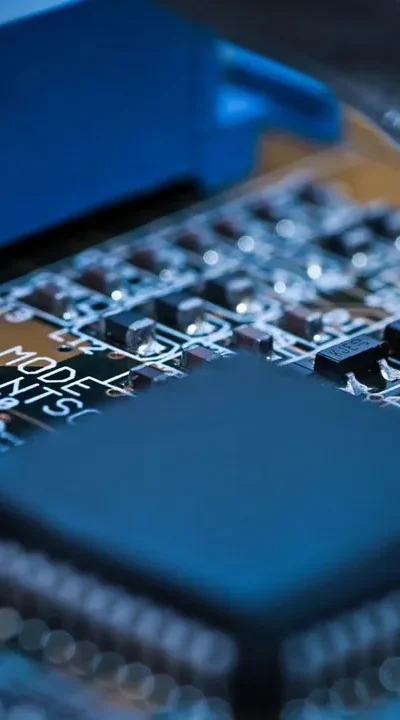
Don't assume two controllers that look identical are interchangeable just because the main number matches. Pay attention to the connector on the bottom or side of the unit, not just the face of the label. The shell shape, the number of pins, and the keying notch position are. physical fingerprints that separate one controller from another across the same equipment family.
Measure the connector width and count the pins with a caliper if possible. Some suppliers ask for these details up front, and having them recorded eliminates the back-and-forth that slows down an order. A mismatched connector is the fastest way to receive a controller. that fits the bolt pattern but won't plug into the machine harness. Check the bracket and mounting style while you are already at the unit. Controllers in heavy mining applications often use specific flange patterns, stud sizes,. or grommet seals that tie them to a particular cabinet or dash location.
Note whether the housing has a front-facing or rear-facing cable entry, what gasket material surrounds. the connector port, and if there are any unique tabs or lugs on the mounting flange. These physical details are easy to overlook but critical when a supplier tries to verify your fitment claim.
Photograph the bracket from multiple angles so the buyer has full visibility. The application context around the controller tells a story the label alone can't. Identify which system the unit controls, whether it sits in the main cabin, a remote junction box, or an underframe electronics enclosure. Mining equipment controllers frequently share similar housings across different subsystems, and the surrounding connector routing.
loom, fuse block layout, and nearby sensor connections help confirm which variant you are dealing with. A controller pulled from a loader steering module won't serve the same role as one. from a crusher vibration monitor, even if both carry the same base number on their nameplates. If you are working from a machine that already has a known-good controller installed.
For a related check, see electronic parts photo guide. If the machine record is part of the question, keep machine serial number records nearby too.
Don't remove it until you have documented everything on the current unit and captured reference photos of the harness side. Flip the connector housing to see how the latch engages, note any color-coded wires. near the socket, and record the orientation of the keying notch relative to the bracket.
When you later match a replacement or upgraded controller, those harness details become your verification points. See more on what display module matching details should include in your comparison package here: [display module matching details](. For the mining equipment controller records before ordering request, compare this detail with the original unit and the equipment record. Assemble your request packet with the photos and measurements before you reach out to any vendor. Clear images of the label, connector, mounting bracket, and surrounding area give. the supplier enough to cross-reference against their own inventory and calibration records.
If your equipment has undergone previous controller replacements, include those part. numbers too, even if they look slightly different from the current unit. Tracking the evolution of replacements on a single machine often reveals the exact configuration you need without a long validation cycle. For guidance on what electronic parts photo requirements are, check this resource: [electronic parts photo requirements]( For the. mining equipment controller records before ordering request, compare this detail with the original unit and the equipment record.
A few common traps buyers run into when ordering mining equipment controllers are worth noting from experience. One is trusting a partial part number seen on a nearby component tag rather than the label directly on the controller itself. Another is sending a photo taken in poor lighting where the suffix code blends into the background.
A third is assuming compatibility across production year changes without confirming the connector and bracket match. Equipment produced in different batches within the same model line sometimes received updated controller revisions,. and those updates can shift pin assignments or housing revisions without changing the main catalog number. Mining equipment adds another layer because machines may work far from the purchasing office. Take the photographs before the unit leaves the site and save the machine identifier with the files.
A clear record is easier to check later than a description reconstructed from memory.